

Employee productivity is one of the most important indicators of business success. Organizations that consistently improve workforce productivity often experience stronger profitability, better customer satisfaction, increased employee engagement, and sustainable long-term growth.
However, productivity is often misunderstood. Many employers assume productivity simply means employees working longer hours or completing more tasks. In reality, true productivity is about achieving better outcomes with the available time, resources, and workforce capacity.
As workplaces continue evolving through remote work, hybrid teams, automation, and digital transformation, measuring and improving employee productivity has become more complex than ever. Businesses now need reliable systems, workforce visibility, and performance insights to understand how employees work and where operational improvements can be made.
In this guide, we’ll explore what employee productivity is, why it matters, how to measure it, common productivity challenges, and proven strategies organizations can use to improve workplace performance.
What Is Employee Productivity?
Employee productivity refers to the amount of work an employee produces within a specific period while maintaining quality standards. It measures how efficiently employees use their time, skills, and resources to achieve business objectives.
Productivity is not simply about being busy. An employee may spend an entire day working but accomplish very little if tasks are poorly organized or processes are inefficient.
For example, two employees may work eight hours each. One completes critical projects efficiently while the other spends most of the day dealing with unnecessary meetings and administrative tasks. Although both worked the same number of hours, their productivity levels differ significantly.
Modern organizations increasingly focus on measuring outcomes rather than tracking activity alone.
Why Employee Productivity Matters
Productivity directly impacts every area of a business. Higher productivity enables organizations to achieve more without significantly increasing operational costs.
When employees work efficiently, businesses often benefit from:
- Increased profitability
- Better customer experiences
- Faster project completion
- Improved employee satisfaction
- Stronger workforce engagement
- Lower operational costs
On the other hand, poor productivity can result in missed deadlines, reduced service quality, employee frustration, and declining business performance.
For growing organizations, productivity improvements often provide a greater return on investment than simply increasing headcount.
Also read : Productivity vs. Efficiency: Key Differences Every Manager Should Know (2026 Guide)
The Relationship Between Productivity and Workforce Performance
Employee productivity and workforce performance are closely connected, but they are not identical concepts.
Productivity measures output and efficiency, while performance includes broader factors such as:
- Quality of work
- Employee behavior
- Goal achievement
- Team collaboration
- Leadership effectiveness
An employee may be highly productive but still struggle with communication or teamwork. Likewise, an employee may demonstrate strong workplace behavior but need support improving efficiency.
Organizations should evaluate productivity alongside other workforce performance indicators to gain a complete understanding of employee contributions.
How to Measure Employee Productivity
One of the biggest challenges businesses face is accurately measuring productivity. Different industries and job roles require different approaches.
For example, productivity measurement in a manufacturing environment may focus on units produced, while office-based roles may require evaluating project completion, response times, or business outcomes.
Successful productivity measurement typically combines quantitative and qualitative metrics.
Track Output and Results
Many organizations begin by measuring employee output.
Examples include:
- Projects completed
- Tasks completed
- Sales generated
- Customer cases resolved
- Reports delivered
Output metrics provide valuable insights into employee contributions and operational efficiency.
However, output alone should never be the only productivity measurement because it may overlook work quality and complexity.
Monitor Attendance and Time Utilization
Attendance data can help organizations identify workforce trends and operational inefficiencies.
Tracking:
- Work hours
- Overtime
- Absenteeism
- Schedule adherence
can provide valuable productivity insights.
Workforce management platforms make it easier to monitor attendance and time utilization without relying on manual processes.
Measure Goal Achievement
Employees are often most productive when they clearly understand expectations.
Businesses should establish measurable objectives and regularly evaluate progress toward those goals.
Examples may include:
- Revenue targets
- Project deadlines
- Customer satisfaction scores
- Operational improvements
Goal-based productivity measurement helps organizations focus on outcomes rather than activity alone.
Analyze Workforce Data
Modern workforce analytics tools provide deeper insights into productivity trends.
Businesses can evaluate:
- Productivity patterns
- Overtime trends
- Scheduling efficiency
- Workforce utilization
- Team performance
Data-driven decisions often lead to more effective productivity improvements than assumptions or manual observations.
Also read : 10 Proven Ways to Improve Work Efficiency in the Workplace (2026 Guide)
Common Productivity Challenges in the Workplace
Many businesses struggle with productivity due to operational inefficiencies rather than employee effort.
Understanding these challenges is the first step toward improvement.
Poor Communication
Communication breakdowns can significantly reduce productivity.
Employees may waste time:
- Seeking information
- Clarifying expectations
- Resolving misunderstandings
Poor communication often creates delays that affect entire teams and projects.
Organizations with clear communication processes typically operate more efficiently and experience fewer productivity bottlenecks.
Excessive Meetings
Meetings are important, but too many meetings can reduce productive work time.
Employees often spend significant portions of their workday attending meetings that provide limited value.
Businesses should regularly evaluate:
- Meeting frequency
- Meeting effectiveness
- Time spent in discussions
Reducing unnecessary meetings often leads to immediate productivity improvements.
Manual Processes
Manual administrative work remains one of the biggest productivity barriers for many organizations.
Employees frequently spend time on:
- Spreadsheet management
- Manual approvals
- Data entry
- Attendance tracking
- Report generation
Automating repetitive processes allows employees to focus on higher-value activities.
Lack of Workforce Visibility
Managers cannot improve productivity if they lack visibility into workforce operations.
Without reliable data, organizations often struggle to identify:
- Productivity gaps
- Attendance issues
- Scheduling conflicts
- Resource allocation problems
Workforce visibility becomes even more important when managing remote and distributed teams.
Proven Strategies to Improve Employee Productivity
Improving productivity requires a combination of people, processes, and technology.
Organizations that focus on all three areas typically achieve the strongest results.
Establish Clear Expectations
Employees perform better when expectations are clearly defined.
Managers should communicate:
- Goals
- Deadlines
- Priorities
- Performance standards
Clarity reduces confusion and helps employees focus on high-impact work.
Invest in Employee Development
Training and development programs help employees build the skills necessary to work more efficiently.
Continuous learning can improve:
- Technical skills
- Leadership abilities
- Problem-solving capabilities
- Workplace confidence
Organizations that invest in employee growth often see long-term productivity improvements.
Improve Workforce Scheduling
Poor scheduling can create productivity challenges by causing:
- Understaffing
- Overtime issues
- Resource shortages
- Operational bottlenecks
Effective workforce scheduling ensures employees are available when and where they are needed most.
Scheduling optimization is particularly important for organizations managing shift-based teams.
Reduce Administrative Work
Employees should spend most of their time performing meaningful work rather than completing repetitive administrative tasks.
Automation can help streamline:
- Attendance tracking
- Timesheet approvals
- Reporting
- Payroll preparation
- Workforce coordination
Reducing administrative workload often improves both productivity and employee satisfaction.
Support Employee Well-Being
Employee productivity is heavily influenced by workplace well-being.
Burnout, stress, and poor work-life balance can significantly reduce performance.
Organizations that prioritize employee well-being often experience:
- Higher engagement
- Better retention
- Increased productivity
- Stronger workplace culture
Productive employees are not necessarily those who work the longest hours, but those who can consistently perform at a high level.
How Workforce Management Software Improves Productivity
Modern workforce management software plays a critical role in helping businesses improve productivity.
Organizations can use workforce management platforms to:
- Track employee attendance
- Manage schedules
- Monitor workforce activity
- Improve visibility
- Simplify approvals
- Generate workforce reports
Instead of relying on manual spreadsheets and disconnected systems, businesses gain centralized access to workforce information.
Office1Solution helps organizations improve workforce productivity through employee scheduling, attendance tracking, timesheets, workforce reporting, and operational visibility tools designed for modern teams.
By centralizing workforce operations, businesses can make faster decisions, reduce administrative work, and improve overall efficiency.
Productivity Metrics Every Manager Should Track
To improve workforce performance, managers should regularly monitor:
- Employee attendance rates
- Overtime hours
- Schedule adherence
- Task completion rates
- Project delivery timelines
- Workforce utilization
- Employee engagement levels
Tracking these metrics consistently helps organizations identify improvement opportunities before they become larger operational challenges.
Future Trends in Employee Productivity
The future of workplace productivity will be increasingly shaped by technology and workforce flexibility.
Organizations are adopting:
- Workforce analytics
- AI-powered reporting
- Automated scheduling
- Remote workforce management
- Mobile productivity tools
Businesses that embrace these technologies will be better positioned to improve efficiency while supporting employee experience.
The focus is shifting away from simply measuring hours worked and toward understanding how employees create value.
Frequently Asked Questions
What is employee productivity?
Employee productivity measures how efficiently employees use their time and resources to produce work and achieve business goals.
Why is employee productivity important?
Productivity directly affects profitability, operational efficiency, customer satisfaction, and workforce performance.
How can businesses measure productivity?
Businesses can measure productivity through output metrics, attendance data, goal achievement, workforce analytics, and performance indicators.
What causes low employee productivity?
Common causes include poor communication, manual processes, excessive meetings, unclear expectations, and workforce visibility challenges.
How does workforce management software improve productivity?
Workforce management software helps businesses track attendance, manage schedules, automate processes, and improve workforce visibility to support better decision-making.
Final Thoughts
Employee productivity is one of the strongest drivers of business success. Organizations that understand how to measure, monitor, and improve productivity can achieve better operational performance, stronger workforce engagement, and long-term growth.
Rather than focusing solely on hours worked, businesses should evaluate how effectively employees use their time, skills, and resources to achieve meaningful outcomes.
By combining clear expectations, workforce visibility, process improvements, and modern workforce management technology, organizations can create a more productive, efficient, and successful workplace for the future.
Recent Posts
- Time and Attendance Software: Complete Guide for Employers
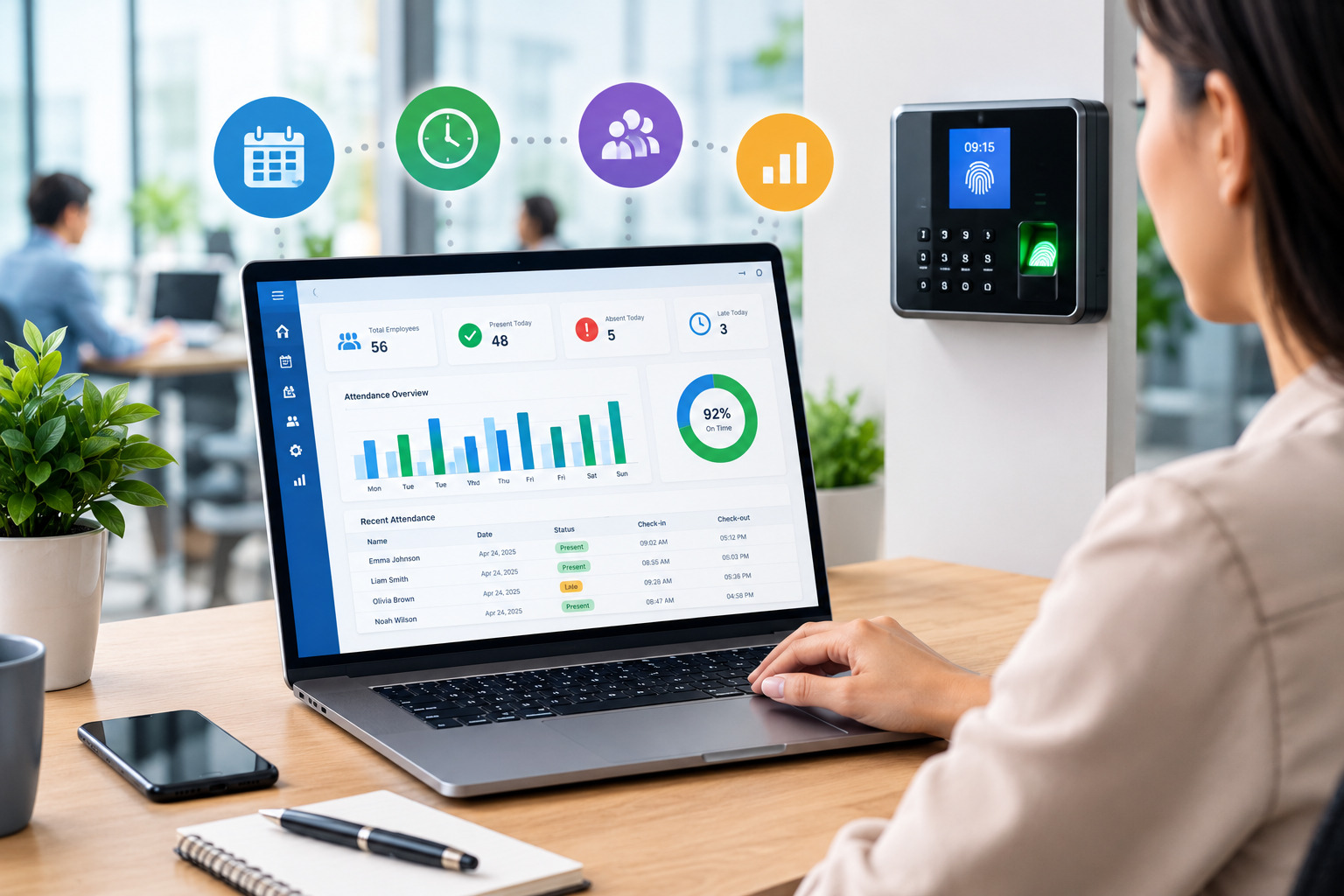
- Time and Attendance: What’s the Difference Between the Two?
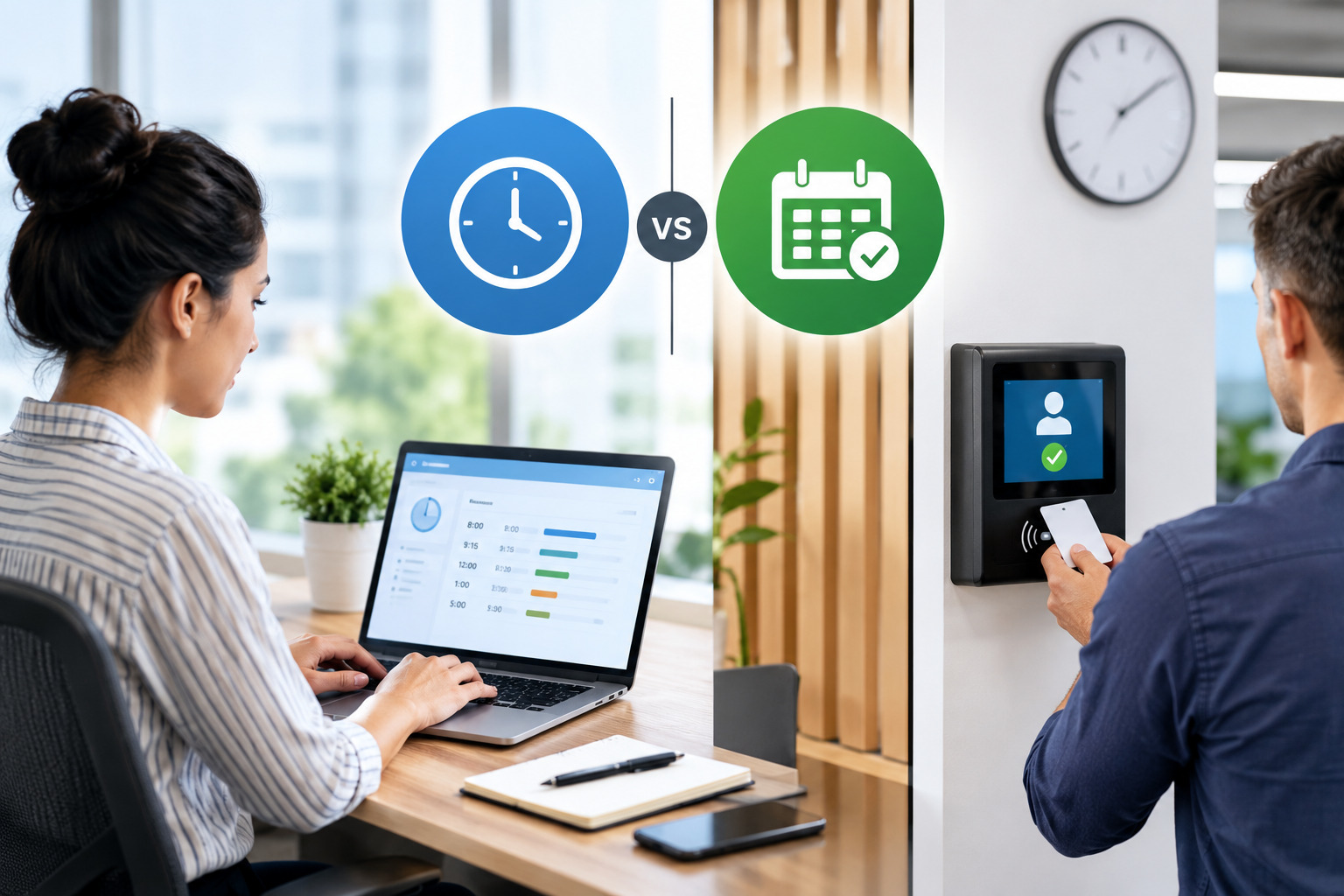
- How to Reduce Timesheet Errors and Improve Payroll Accuracy
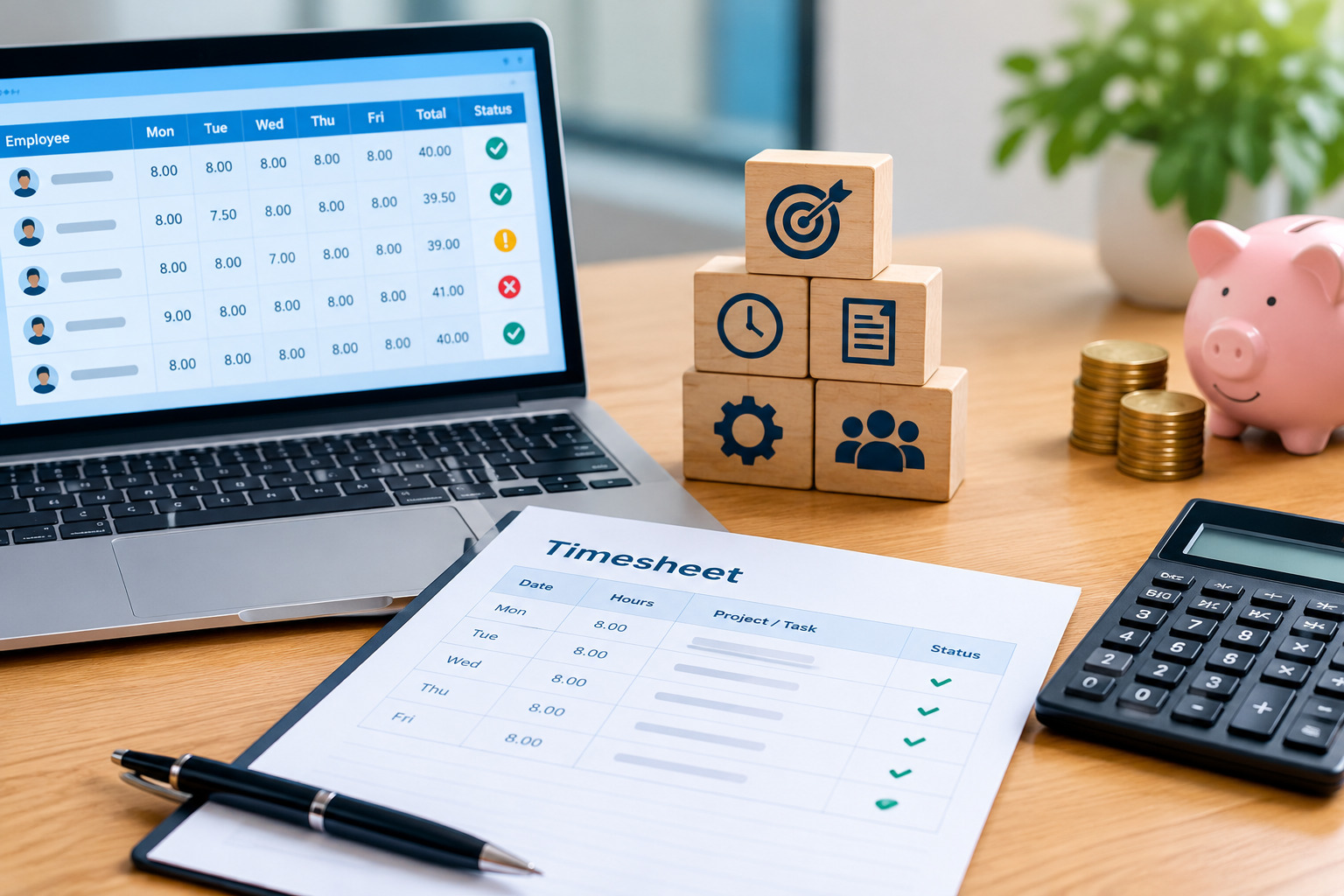
- Timesheet App for Employees: Features, Benefits & Best Practices

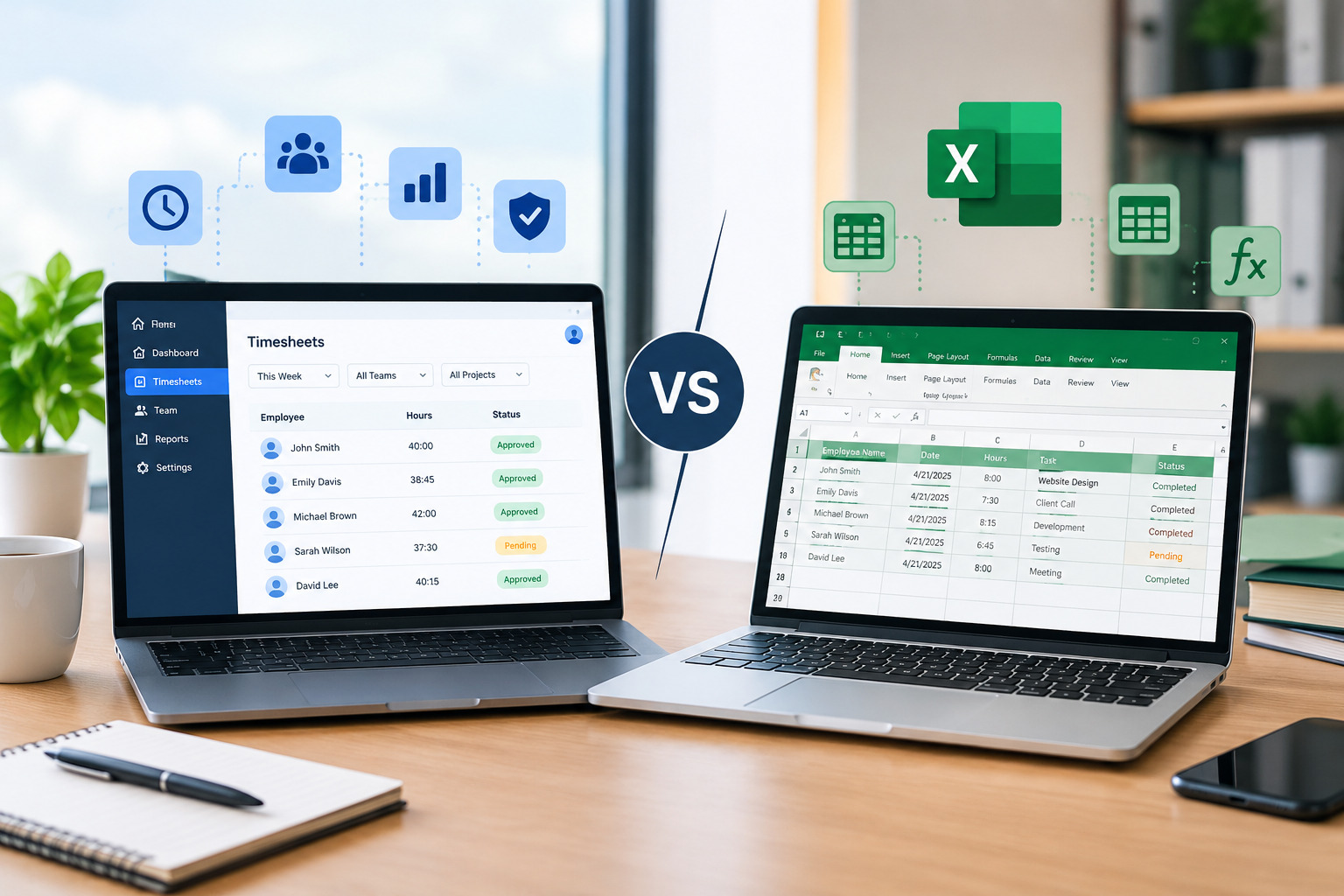
- Timesheet Software vs. Excel: Which Is Better for Businesses?
Stay Ahead. Simplify Workforce Management.
Empower your teams to work efficiently with a unified workforce platform built for clarity, control, and actionable insights across your organization.